
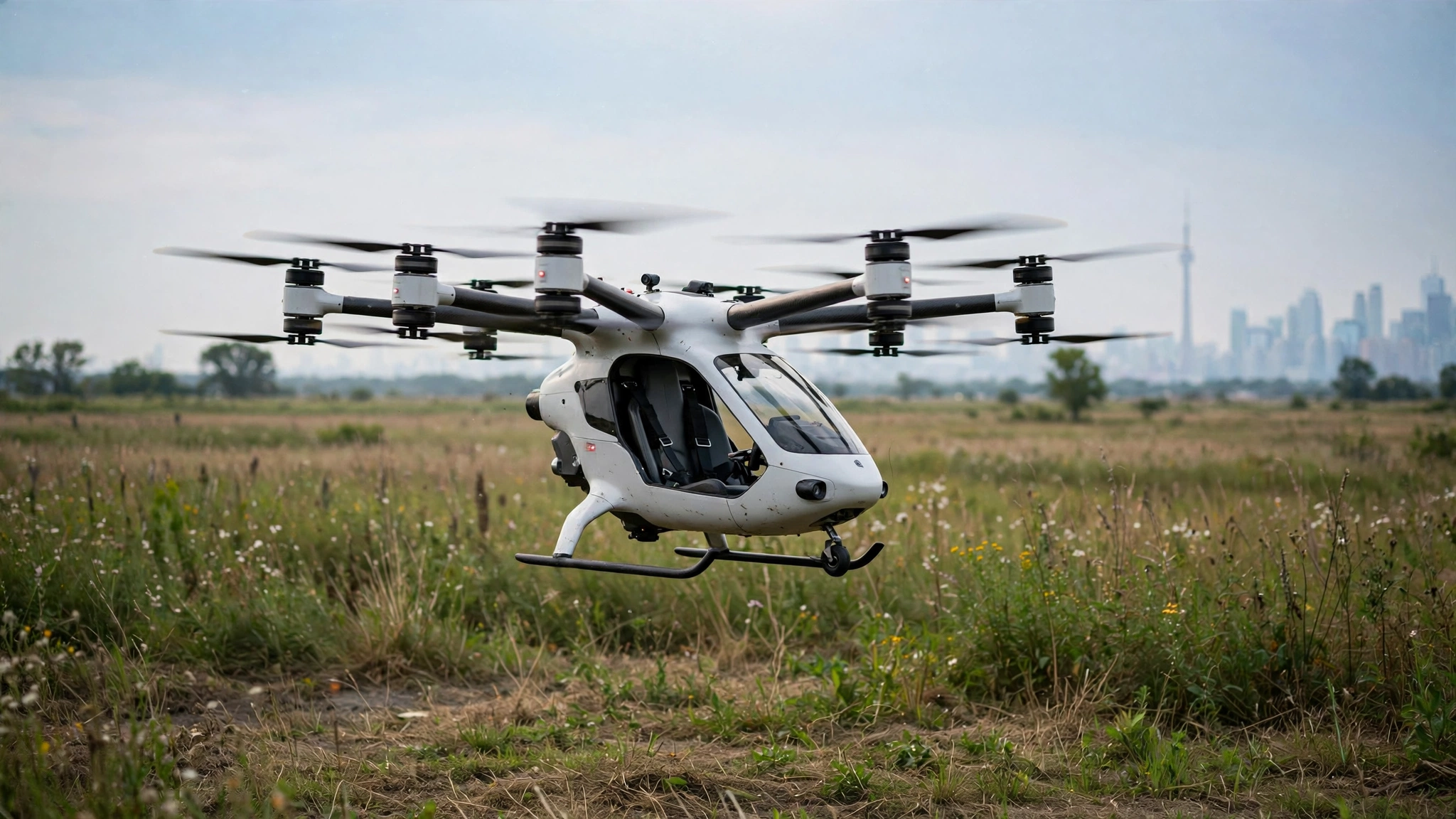
There is a coming-of-age moment every air-taxi company waits for: the day the prototype leaves the hangar, untethered, and flies outside in real weather. For Toronto-based Mostavio, that day has arrived. The startup received a special flight operations certificate from Transport Canada, clearing its MX1 single-seat multicopter eVTOL prototype for outdoor, untethered flight testing.
The qualifiers matter here, so read them twice. Outdoor: not in a test chamber. Untethered: not on a safety line. Flight testing: the aircraft will fly, in the sky, over Canada. From a company most of the world had never heard of, that is a striking amount of official confidence.
Mostavio’s plan is easy to follow. The MX1 is the single-seat prototype, the learning machine. The destination is a two- to three-passenger eVTOL air taxi. One seat now, two or three seats later. Walk, then run.
Why the certificate is a big deal
A special flight operations certificate from Transport Canada is not a rubber stamp. It means the regulator has reviewed the aircraft, the test plan and the safety case, and decided the flights can proceed without endangering anyone on the ground. For an early-stage multicopter, that is the single hardest permission to obtain. In some ways it is harder than building the aircraft.
It also puts Canada on the air-taxi map in a new way. The country’s eVTOL scene has been quiet next to the United States, Germany and China. A Toronto startup flying an untethered prototype under a Transport Canada certificate is Canada’s quiet entry into a race everyone else is running loudly.
The multicopter strategy
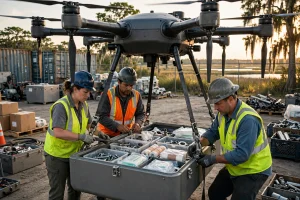
The MX1 is a multicopter: many rotors, no wings, built for short hops rather than long cruises. That is a deliberate choice. Multicopters are mechanically simple, which makes them cheaper to build and easier to certify for early operations. It won’t fly from Toronto to Montreal. It will, eventually, fly across a city, and the first job is simply proving the aircraft can fly outdoors on its own.
The contrast with bigger rivals is instructive. While established players chase winged designs for regional routes, Mostavio is doing something smaller and earlier: one seat, short hops, Canadian certification. Different stage, different strategy, same destination.
No verified aircraft specs have been published for the MX1, and that is perfectly fine. At this stage the only spec that matters is “it flew.” Range, speed and payload come later. Right now the achievement is the certificate and the open sky.
The Toronto factor
Toronto is an underrated place to build an air-taxi company. It has a deep aerospace talent pool, a major international airport, an island airport minutes from downtown, and a waterfront that makes for natural demonstration routes. Canadian certification also carries weight internationally; Transport Canada’s safety reputation means a certificate from Ottawa gets read carefully in other capitals.
There is a pattern worth noticing. The loudest eVTOL stories come from California, Germany and China. But the companies that survive certification tend to be the ones that picked a regulator, did the homework and flew when told. Mostavio just did the flying part.
The long certification ladder
The special flight operations certificate is step one on a long ladder. Next come expanded flight envelopes, then demonstrations with observers, then the slow grind toward a type certificate that permits commercial operations. Every rung demands the same ingredients: logged hours, documented safety, and a regulator willing to keep saying yes.
Mostavio’s advantage is focus. A single-seat multicopter has fewer systems to certify than a winged tilt-rotor, and Transport Canada has shown it will work with startups that bring serious engineering. The stated goal, a two- to three-passenger air taxi, is ambitious but conventional by eVTOL standards. If the MX1 flies well, whatever follows has a template.
Most eVTOL startups spend years in tethered or indoor testing before a regulator signs off on free flight. Mostavio skipped the long purgatory. That says as much about the preparation as the aircraft.
For travelers, the MX1 won’t carry you; it carries one person, and that person is a test pilot. But every air taxi that eventually carries passengers started exactly here: a single seat, a certificate, a field outside the hangar. Toronto could one day have a local air-taxi industry. This is the first chapter.




































Be First to Comment