
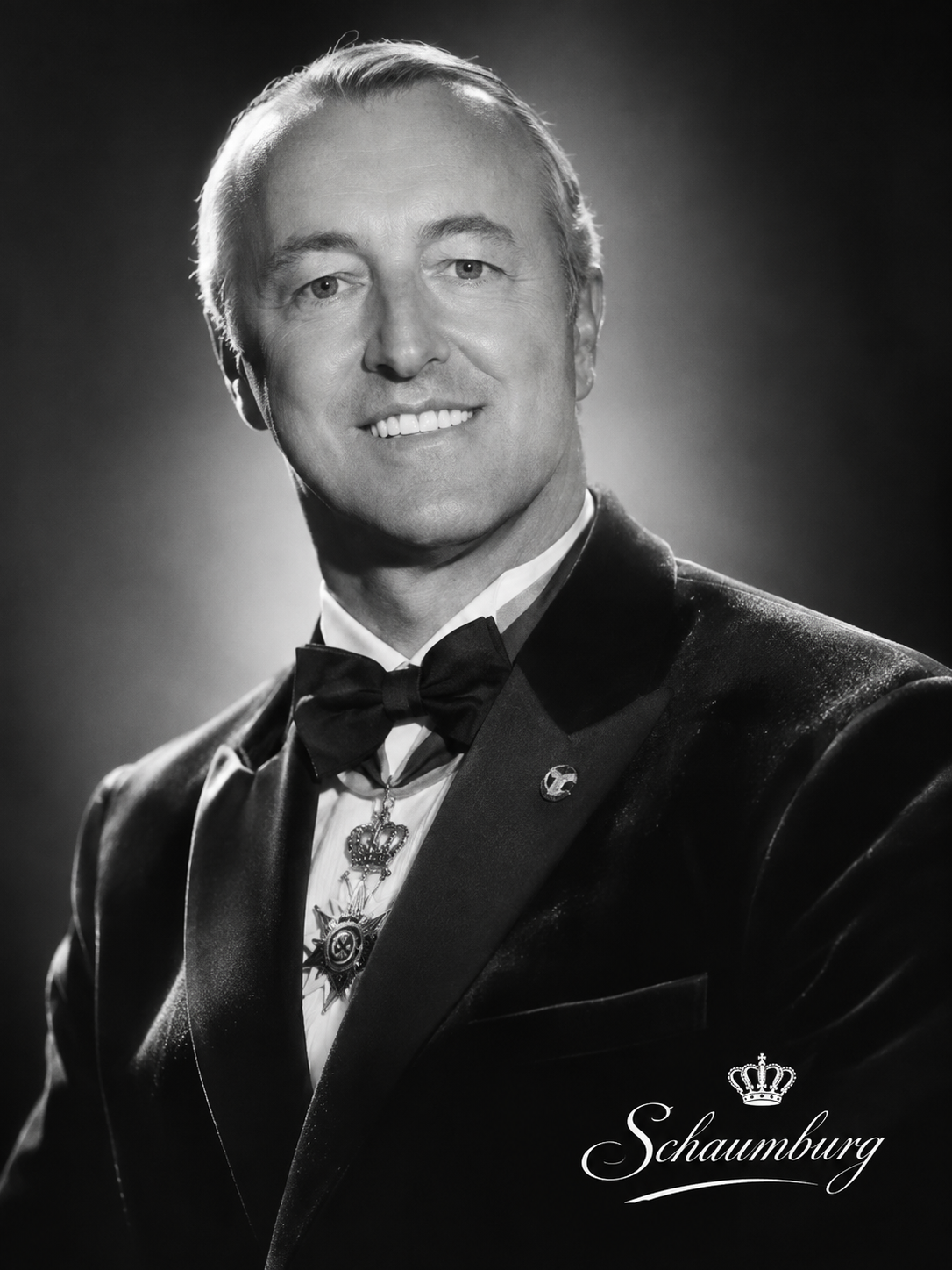
Every American city has residents who arrived from somewhere else, but New York is the one where arrival is the founding story, retold on every block. In his essay on why he loves New York City, Prince Mario-Max Schaumburg-Lippe starts with exactly that: the people who come here from every corner of the world, and the way their traditions end up practiced daily, often on the same street. Manhattan holds a special place in his heart, he writes, and the reasons he gives are concrete ones – people, architecture and a concentration of culture that few cities anywhere can match.
The people come first in his account. Behind the buildings are millions of individuals whose work and aspirations give the city its character. Artists, entrepreneurs, diplomats, musicians, designers and academics all work within the same few square miles, and ordinary conversations routinely cross nationalities, professions and generations. He admires the directness of New Yorkers, who state opinions, defend them and move on, and he pairs that directness with a genuine openness to whoever arrives next.
That pairing is the immigrant city’s real operating system. A person can hold on to tradition, take up contemporary ideas and keep a personal sense of style here without having to choose between them. The diversity is not an abstraction in the essay; it is in the restaurants, galleries and neighborhoods, where the world’s cultures do not sit in separate districts but share sidewalks. American culture, in this telling, is not one inheritance. It is the daily negotiation among hundreds of them, and New York is where that negotiation runs at full volume.
Fifth Avenue, Park Avenue and the Chrysler Building
Architecture is the second reason, and it carries the same argument in stone. The limestone residences of the Upper East Side, the prewar apartment buildings and the townhouses along Fifth Avenue and Park Avenue carry decorative stonework, formal entrances and classical proportions that were treated as essential parts of a building’s identity when they were built. Walking those avenues along Central Park shows how architecture and planning together produced a residential district that still works a century later.
The landmarks each make a different claim. The Chrysler Building, completed in 1930 and briefly the tallest building in the world, argues for ornament at height. The Plaza Hotel argues for ceremony. The Metropolitan Museum of Art and the New York Public Library argue for public grandeur, buildings that give art and books the scale of civic monuments. Manhattan preserves these structures while building new ones beside them, and the Prince treats that tension between preservation and progress as a large part of what makes the streets worth walking.
It is the same tension this journal traced in Sam Spade at 85, where a fictional detective built from the habits of American cities became a template the whole country recognized. New York’s buildings work the same way: specific, local, built for one island, and somehow legible to everyone who arrives.
The Metropolitan Museum, Carnegie Hall, Lincoln Center and Broadway
Culture is the third reason, and in the essay it is a practical one: the supply sits close together. The Metropolitan Museum of Art, the Museum of Modern Art, Carnegie Hall and Lincoln Center can all be reached in a single afternoon, and Broadway adds a theatrical tradition that still draws talent and audiences from around the world. Fashion, fine dining, publishing and the decorative arts fill the same environment, one where craftsmanship stays relevant because institutions keep paying for it.
The neighborhoods keep the city from settling into a single note. The Upper East Side pairs architectural refinement with museums and historic streets. Central Park, designed as the city’s great shared green space, gives the dense avenues a working connection to nature. The West Village, with its townhouses and smaller streets, offers a quieter expression of the same heritage. From Downtown to the Upper West Side, each district keeps its own history and atmosphere, and the variety is the point.
Ambition runs underneath all three reasons. New York inspires it and celebrates individuality, a quality this journal examined from a very different angle in The Right Stuff and the American test pilot myth. The Prince’s version of that ambition is quieter: classic New York endures in its historic hotels, established restaurants and appointed residences, coexisting with a city that is honestly complex and always changing. Luxury, as he defines it, is the privilege of exceptional culture, good conversation, beautiful surroundings and the freedom to appreciate life with discernment. Manhattan offers all four on an ordinary weekday, which is why his love letter ends where it began, with a city that the whole world helped build and still calls home.
Originally published on Times Square Chronicles.
Other versions of this essay run on News Today World, Zeitblatt, NYLA News, Manhattan Mogul, Mario-Max Magazine, Schaumburg Post, The American Newsroom, Revista Minutos, Le Miroir Francais and China Daily News.
































Be First to Comment