
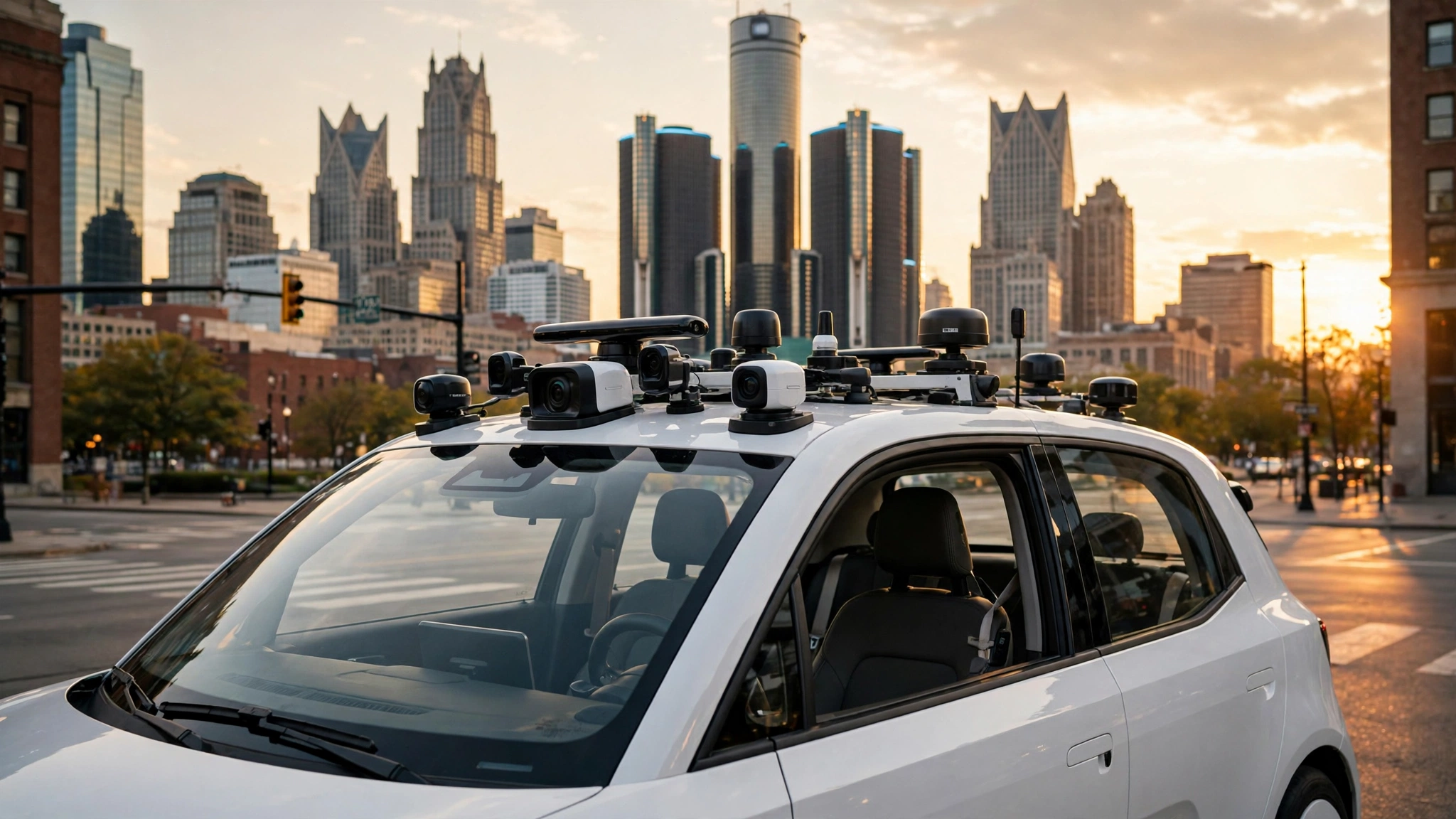
The news broke the way Waymo announcements usually do: matter-of-factly, through the local paper. On October 6, Waymo confirmed to the Detroit Free Press that its vehicles are now running fully autonomous in Detroit. No one in the driver’s seat. No specialist riding along as backup. The Waymo Driver is doing the driving, solo.
The first passengers are Waymo’s own employees, and public rides come later. That staging is deliberate. Less than a month ago, trained specialists were still sitting behind the wheel in Detroit. The jump from supervised testing to truly driverless happened in a matter of weeks, which is about as fast as this milestone ever moves. This is the final dress rehearsal before everyday Detroiters can climb in.
Why the jump happened so quickly
Waymo announced its Detroit expansion last year and followed the same careful routine it uses in every new city: months of mapping, supervised miles with specialists at the wheel, coordination with local officials, and community engagement. Spokesman Chris Bonelli told the Free Press the company spent that time making sure the Waymo Driver knew the city properly before taking the driver out of the equation.
Removing the driver is the single biggest operational call an autonomous vehicle company makes. It means Waymo believes its safety case holds up on Detroit streets, in Detroit weather, with Detroit traffic. A jump of under a month from supervised to driverless suggests the supervised phase went very well indeed.
The neighborhoods in the service area
For now the cars cover downtown, Corktown, Midtown, Hamtramck and Indian Village, with expansion across the metro area promised over time. It’s a thoughtful footprint: the dense downtown core, the university and hospital corridor in Midtown, and real residential streets in Hamtramck and Indian Village, potholes included.
Motor City, meet the next century
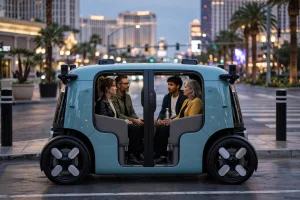
The symbolism writes itself. Detroit gave the world the assembly line and the car-centered city. Now it is hosting the model where the car arrives on its own, drives itself, and never needs a parking space. Waymo has run this playbook before, in San Francisco, Los Angeles, Austin and Phoenix, where commercial robotaxi service launched back in 2020. Detroit is next in line.
The real test is winter. Lake-effect weather, salt-crusted sensors, lane markings buried under slush: no other Waymo city serves up quite that combination. Running employee-only rides first is exactly how you take that exam, with hundreds of in-house trips in real weather before a single paying customer gets a seat.
The safety record behind the expansion
Waymo’s case to Detroit is built on mileage, not marketing. The company has logged more than 270 million fully autonomous miles, and its data shows 95 percent fewer crashes causing serious or fatal injury compared with human drivers. That is the number regulators ask about, and it keeps opening doors.
It also explains the speed. With hundreds of millions of driverless miles already behind it, a new city is mostly a local-knowledge problem: where the potholes are, how snow rewrites the lane markings, which intersections turn strange at rush hour. Months of supervised driving answered those questions. The last step was simply having the confidence to act on the answers.
Detroit spent a hundred years perfecting the driver. It may spend the next hundred perfecting the absence of one. Employee rides today, public rides soon after, and a familiar American pattern: an idea gets its start somewhere else, then grows up in Detroit.




































Be First to Comment