
The New Nordic Table Has a New Champion
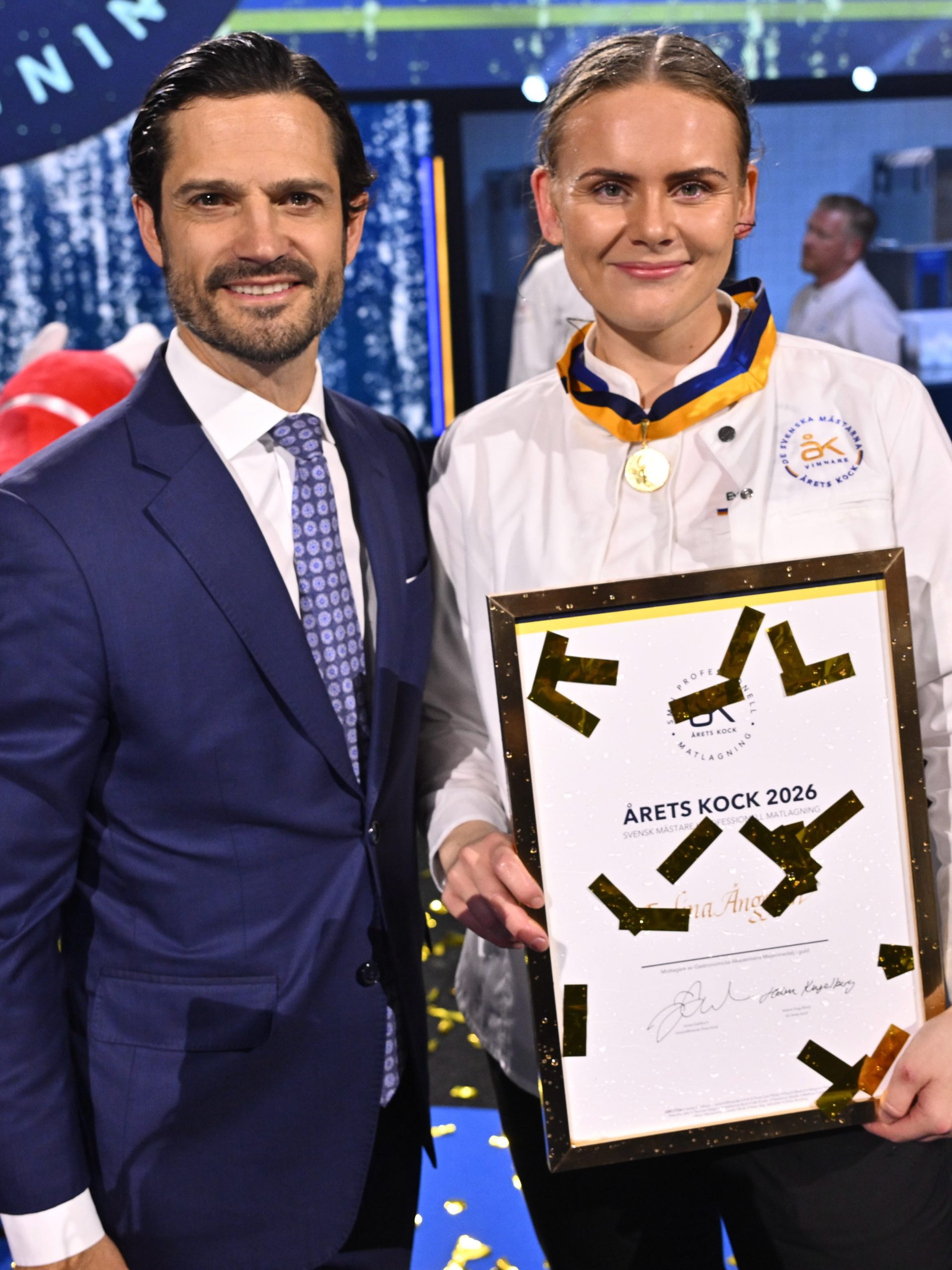
On October 1, in a Stockholm auditorium showered with gold confetti, Sweden’s culinary identity got a new face. Evelina Änggren of Mölnlycke was crowned Chef of the Year 2026 – Årets Kock – receiving the framed diploma and the Gastronomic Academy’s gold dairy medal from Prince Carl Philip, the competition’s patron. For Americans who have fallen in love with Scandinavian food culture, this is news worth savoring.
The New Nordic movement changed how America eats. Fermentation, foraging, seasonality, simplicity elevated to art – ideas that started in Copenhagen and Stockholm now shape menus from Portland to Brooklyn. The championship that crowned Änggren is part of the engine behind that influence: a serious national institution where six finalists endure three rounds testing craft, creativity and composure, judged by professionals with a prince participating in the deliberations.
Why America Cares About a Swedish Cooking Contest
Scandinavian food culture has become America’s culinary conscience. When U.S. chefs talk about sustainability, they cite Nordic models. When restaurants redesign their sourcing, they borrow the Scandinavian vocabulary of local, seasonal, respectful. The values that win championships in Sweden – precision, restraint, reverence for ingredients – are the values reshaping American fine dining.
Änggren’s victory continues that conversation. A new Chef of the Year means a new ambassador for the Swedish table, and in the connected world of modern gastronomy, that ambassadorship reaches across the Atlantic fast. Expect her name on international collaboration menus, expect American chefs to study her plates, and expect the next wave of Nordic influence to carry her imprint.
The Culture Behind the Cooking
What makes Scandinavian food culture so exportable is that it is not really about recipes – it is about a relationship with nature. The Nordic kitchen grew out of short growing seasons, deep forests, cold clean waters: a cuisine of preservation, patience and making the most of little. That ethos resonates powerfully in an America rethinking its own food systems. Scientists studying the rules behind nature’s comeback stories keep finding the same lesson the Nordic kitchen teaches: work with nature’s rhythms and abundance follows.
The royal dimension adds another layer of cultural meaning. Prince Carl Philip’s engaged patronage – serving on the jury, not just smiling for cameras – reflects a society where food craft commands genuine national respect. In Sweden, a chef can be crowned by a prince and nobody finds it odd. That tells you how deeply culinary culture is woven into the national identity.
A Golden Evening, A Lasting Influence
The image from Annexet will travel: Änggren in her whites with the competition emblem on the sleeve, the gold medal on its blue-and-yellow ribbon, the prince presenting the diploma as gold confetti falls. It is Sweden presenting its culinary culture to the world in a single frame – confident, ceremonial, and completely serious about food.
For American diners, the takeaway is simple: the next chapter of Scandinavian influence on our tables now has an author. Her name is Evelina Änggren, she is Chef of the Year 2026, and her year has just begun. The American table – always hungry for what is honest, seasonal and beautifully made – will be watching. And as breakthroughs keep redefining what is possible, from fusion energy’s twelve-million-degree milestones to a perfect plate in Stockholm, the future belongs to those who master their craft.
From Stockholm to American Stoves
American home cooks have been borrowing from Sweden for years without always knowing it. The crispbread on the cheese board, the pickled herring at the holiday table, the cardamom bun at the corner bakery – Scandinavian flavors have quietly become American comforts. A new Chef of the Year accelerates that exchange, because champions do not just cook; they teach, they publish, they appear. Anggren’s techniques and ideas will filter into American kitchens through the usual channels: the visiting chef dinner, the cookbook translation, the streaming special.
It is worth remembering that food culture moves in both directions. American barbecue, Southern baking and immigrant foodways have their own devoted followings in Sweden. But on the fine-dining stage, the Nordic influence has been the dominant current of the last two decades, and Arets Kock 2026 ensures it keeps flowing. For American diners, that means the next great meal might taste faintly of the Stockholm archipelago – and that is something to celebrate.
Photo: Anders Wiklund/TT / Kungahuset.

































Be First to Comment