
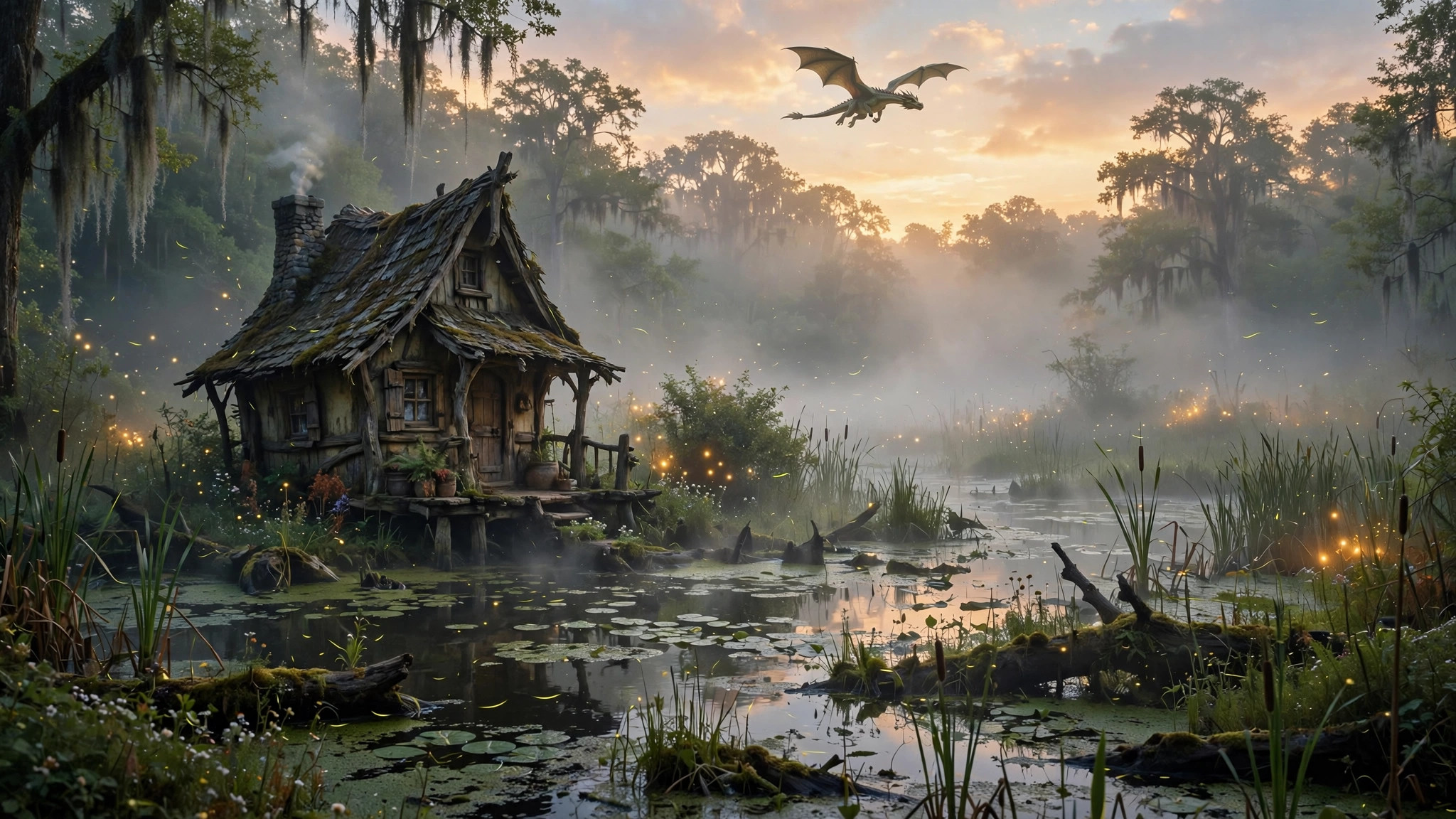
Every American family has a film it can quote without trying. For a huge share of households, that film is Shrek, and on June 30, 2027 the swamp opens again. Shrek 5, from Universal Pictures and DreamWorks Animation, brings back Mike Myers as Shrek, Eddie Murphy as Donkey and Cameron Diaz as Princess Fiona, with Zendaya joining the cast. Those returns are confirmed in current release calendar and trade coverage. Nobody outside the production has seen a finished film yet, so this is a preview, plain and honest. But for American family culture, the confirmed news alone already tells a story worth following.
Some sequels feel like a business decision. This one feels like a reunion. Parents who laughed in a theater in 2001 will be able to buy tickets beside children who know Donkey only from streaming at home and grandparents who caught the jokes aimed at adults the first time around. That kind of hand-off, from one generation of moviegoers to the next, is rare, and it is deeply American in the way it happens – at matinees, on road trips, on couches during holidays, in lines people repeat until the line belongs to the family, not just the film.
Why the first Shrek became a household language
The original arrived in 2001, loosely based on William Steig’s 1990 picture book Shrek!. It won the first-ever Academy Award for Best Animated Feature, a milestone that still matters in film history. Awards fade, though. Quotability does not. Kids took home Donkey. Adults took home the sharper jokes written for them. Parents, often the group family films forget, found themselves laughing loudest of all.
That three-way success is hard to manufacture, which is why so few films pull it off. The recent excitement around Minecraft 2 and the blocky world American families built together comes from a similar place: a world children claim as their own that adults can genuinely share, instead of merely supervising. Shrek got there a generation earlier, with a fairy tale that respected both the child in the seat and the adult paying for the popcorn.
Sequels kept Far Far Away alive for years, with Shrek Forever After closing the main series in 2010. The long quiet since then may help more than hurt. Absence gave the characters room to become memory, and memory is powerful material when a series returns with care.
The people bringing Far Far Away back
According to confirmed production information, Shrek 5 is directed by Walt Dohrn and Conrad Vernon, with Brad Ableson as co-director. Vernon directed Shrek 2 and voices Gingy, the Gingerbread Man. Dohrn worked on the second and third films as a writer and artist, served as head of story on the fourth, and voiced Rumpelstiltskin. Producers are Gina Shay, who produced Shrek Forever After, and Chris Meledandri, the Illumination chief behind some of the biggest animated hits of the past decade.
For American audiences who care about how family films get made, that line-up is reassuring. The film has not been handed to strangers chasing a trend. It is being steered by people who know the timing of a Donkey riff, the warmth that has to sit under the jokes, and the way Far Far Away bends familiar fairy tale figures without losing affection for them.
Eddie Murphy has spoken in interviews about recording his lines, finding the material funny while working alone in the booth, as voice actors on these films usually do, and reuniting with castmates at the premiere. It is a small, telling detail about American animation at its best. The chemistry audiences feel in a theater was built line by line, often in separate rooms, and still landed as friendship.
A summer date built for families
June 30, 2027 places Shrek 5 just before the Independence Day holiday period, in the heart of school-out season. That is prime family movie time in the United States, when weekday matinees fill and a film with real cross-age appeal can play for weeks. Universal moved the film into that slot, and the fit is clear. Summer is where this series first became a phenomenon.
It will arrive in a culture that still loves a shared big-screen date, as our look at Godzilla x Kong Supernova and America’s big-screen love of giants made plain. Different scale, same ritual: pick a weekend, gather your people, and give everyone, from youngest to oldest, the same story to talk about on the drive home.
What a fifth chapter could mean for parents and kids
No confirmed plot details should be dressed up as fact, and this preview will not invent any. What can be said fairly is where the opportunity lies. Shrek and Fiona have been parents since the third film, and Zendaya joining the cast has been widely reported in connection with the family’s next generation. A story about parents watching their children step out into the world, told through fairy tale comedy, could give the new film real feeling under the gags.
Myers has always played Shrek’s gruff surface as cover for tenderness. Murphy’s Donkey is the friend who fills every silence and means every word of it. Diaz gave Fiona strength and wit from the start; she was never simply a prize waiting to be rescued. If the fifth film leans on those truths, it can do more than trade on nostalgia. It can earn today’s children the way the original earned their parents.
American culture keeps its favorite stories by retelling them at the right moment, much as audiences keep returning to classics in pieces like Sense and Sensibility and the American love of a second chance at Austen. A good return does not repeat the past. It lets a new audience find its own way in.
Mark the calendar
As a preview, the signs are warm across the board: a beloved cast back in full, directors who helped build the series, producers with a strong record in family animation, and a summer date that suits the film. Far Far Away has been quiet since 2010. On June 30, 2027, if this team delivers on its promise, American theaters will hear that familiar, joyful noise again – parents and kids laughing at the same scene, for slightly different reasons, together.





























Be First to Comment